
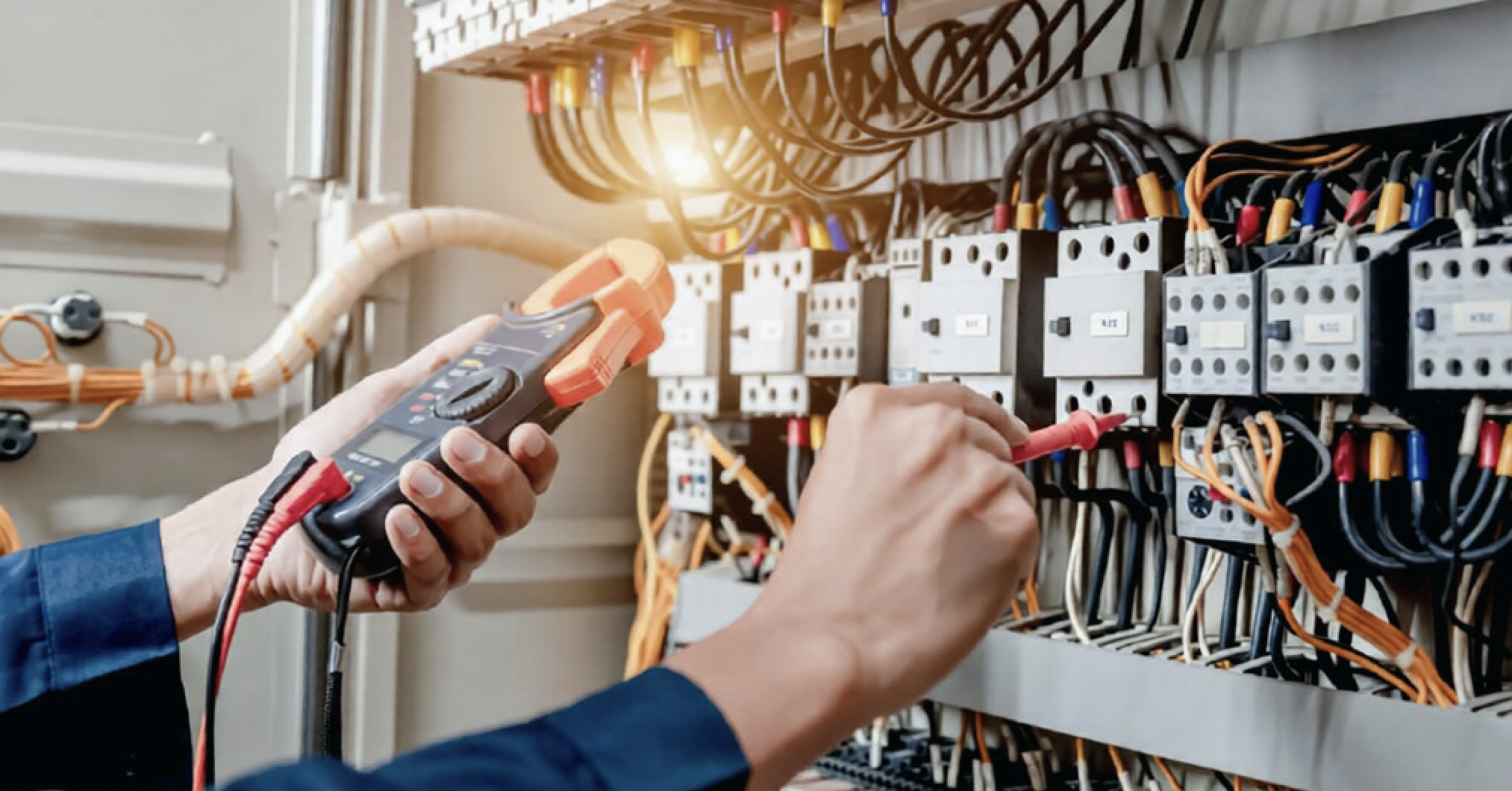
Many older houses in the Netherlands — especially those built before 1970 — still rely on outdated wiring, old fuse boxes, and electrical systems that no longer meet modern safety requirements. Anyone who buys or renovates a characterful home will eventually face the same question: Is my electrical installation still safe? And more importantly: When is a full replacement necessary?
Replacing electrical wiring is not a cosmetic upgrade — it is a crucial investment in fire safety, comfort, and long-term reliability. In this article, we explain what is involved, what costs you can expect, and why working according to the NEN-1010 standard is essential.
Why Replace Electrical Systems in Older Homes?
In older properties, wiring often consists of cotton-insulated or aluminium cables, brittle insulation, and unreliable connections.
Modern households also consume much more electricity: heat pumps, induction cooktops, powerful kitchen appliances, chargers, and smart home systems. Old installations simply cannot handle these loads.
A full electrical inspection usually immediately reveals where the risks lie. Common issues include:
-
overloaded circuits;
-
loose or unsafe connections;
-
no residual-current device (RCD);
-
outdated fuse box without protection;
-
wiring too thin for modern equipment.
After inspection, full rewiring of the home is often recommended to prevent future electrical faults and safety hazards.
What Does the NEN-1010 Standard Require?
NEN-1010 is the Dutch safety standard for low-voltage electrical installations. It defines:
-
how wiring must be installed;
-
how many circuits each area requires;
-
which protective devices are mandatory;
-
how wet rooms (such as bathrooms) must be secured;
-
how cables and connections should be shielded.
For renovations, complying with NEN-1010 is not optional — it is the foundation of a safe electrical installation and a requirement for insurance, property sale, and official handover.
Replacing the Fuse Box: A Key Step
In almost every full renovation, the fuse box (groepenkast) must also be replaced. Modern fuse boxes include automatic circuit breakers, RCDs, and dedicated circuits for the kitchen, bathroom, and heat pump.
A new fuse box provides:
-
higher electrical capacity;
-
better short-circuit and overload protection;
-
greater stability when using high-power appliances;
-
future-proofing for additions such as solar panels or EV chargers.
Costs of Replacing Electrical Installations
The price depends on the size of the home, the condition of the existing installation, and the desired finishing level. On average, expect:
-
€4,000 – €7,000 for an apartment;
-
€8,000 – €12,000 for a single-family home;
-
€12,000 – €18,000+ for large or complex older properties.
These amounts typically include: new circuits, a new fuse box, complete rewiring, new outlets and switches, and full installation according to NEN-1010 standards.
If you are already renovating, it is wise to combine electrical rewiring with other works — this reduces labour time and finishing costs.
How Long Does It Take?
A complete rewiring typically takes:
-
3–5 days for a small apartment;
-
1–2 weeks for a full house;
-
longer if walls need to be opened or repositioned.
Conclusion: Safety Comes First
Replacing electrical wiring in an older home is an investment that makes your property safer, more valuable, and future-ready. By working according to NEN-1010, installing a new fuse box, and conducting a thorough electrical inspection, you prevent malfunctions and long-term risks.
Planning a Renovation and Want to Ensure Your Electrical Installation Meets Modern Standards?
Contact us — we provide safe, professional electrical installations from A to Z.

