
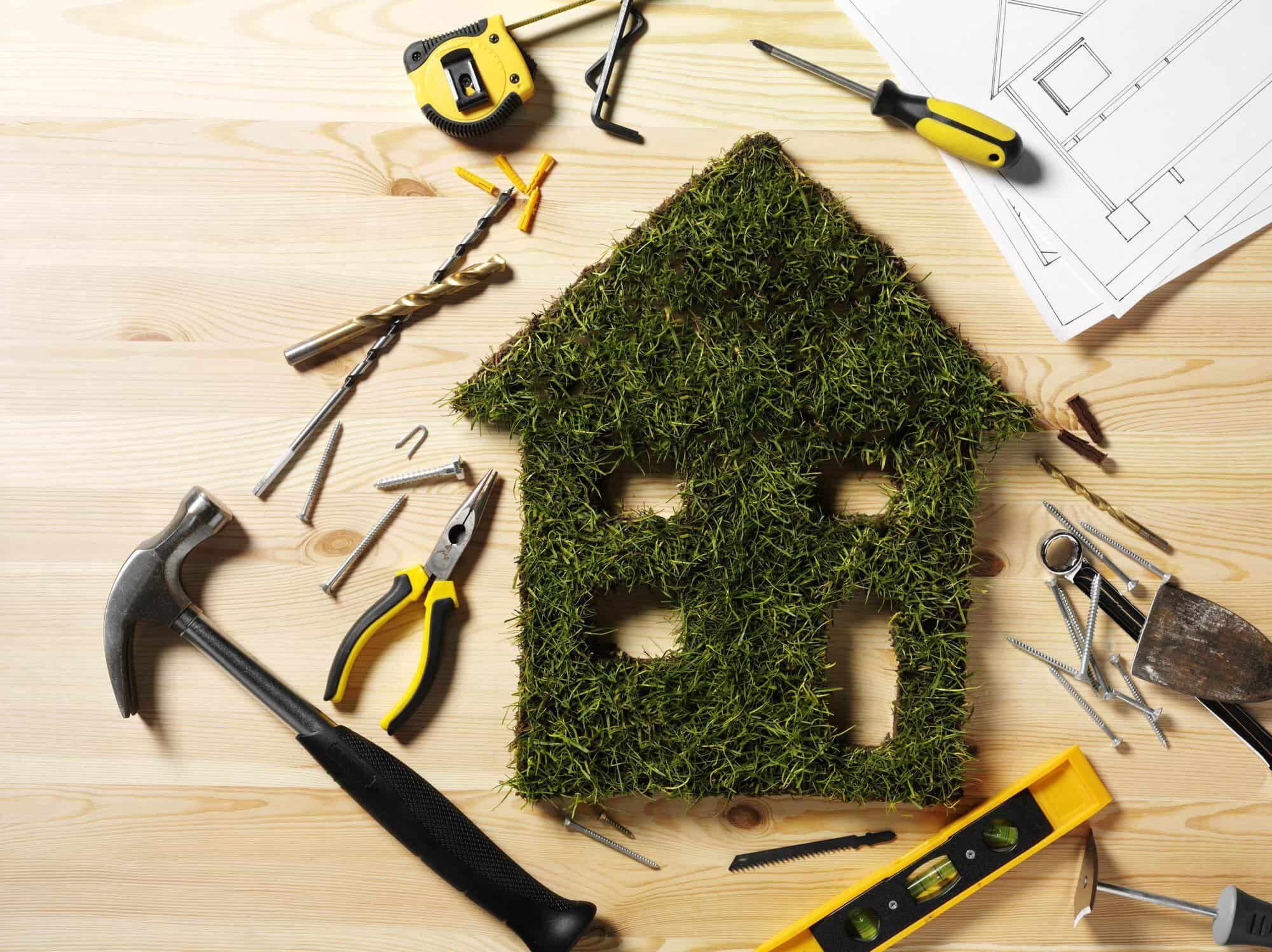
More and more homeowners are choosing to renovate not only to make their homes more beautiful but also smarter. Sustainable renovation means wasting less energy, lowering monthly bills, and increasing comfort at home — while also contributing to a better environment. In the Netherlands, this approach is especially encouraged, as the government supports homeowners with attractive schemes. This makes an energy-efficient home not only a future-proof choice but also a financially smart decision.
Yet many people still ask: where should we start? Which measures give the best results? And how exactly does the insulation subsidy in 2026 work? This guide explains the key steps and shows how to make your home ready for the years ahead.
Why choose sustainable renovation?
The energy market is changing, and well-insulated homes retain their value better and sell faster. In practice, residents of energy-efficient homes pay lower bills year after year. Sustainable renovation is therefore not just a buzzword: it’s an investment that pays for itself while increasing living comfort.
Sustainability doesn’t mean you have to tackle everything at once. Small improvements, such as better ventilation, new glazing, or floor insulation, can already make a big difference. For larger projects — like a full renovation — we map out all possibilities so you know exactly which measures provide the highest return.
Most effective measures
Not every measure has the same impact. Experience shows that three elements make the biggest difference for an energy-efficient home:
Insulation of walls, floors, and roof
Reducing heat loss is the most important first step. It directly improves the EPC value and increases comfort.
HR++ or triple glazing
New windows keep cold air out, prevent drafts, and reduce noise pollution.
Underfloor heating and efficient systems
Many homeowners opt for low-temperature heating during renovations. This works best in a well-insulated home.
For all these measures, we look not only at the technology but also at the cost of insulating your home, giving you a clear picture of investment and payback time.
Costs to make a home energy-efficient
The costs of insulating a home vary depending on house type, materials, and project scope. On average, prices for basic measures in the Netherlands in 2026 are at a level that is recouped relatively quickly. Cavity wall insulation is often the most affordable option, while roof insulation has the greatest impact.
Because every house is built differently, we always perform a technical analysis before giving a price estimate. This avoids surprises and shows which measures offer the highest return within your budget.
Insulation subsidy 2026: what benefits can you get?
The government supports homeowners through the ISDE subsidy, which is expanded again in 2026. This allows you to recoup a significant portion of your investment, especially if you combine two sustainable measures — for example, insulation + heat pump, or insulation + HR++ glazing.
Typical measures covered by the 2026 insulation subsidy include:
-
Cavity, floor, and roof insulation
-
HR++ or triple glazing
-
Insulating doors
-
Sustainable heating systems
This makes sustainable renovation accessible for a broad range of homeowners.
Why choose professional guidance for sustainable renovation?
Many homeowners start enthusiastically but get stuck with technical choices or subsidy applications. That is precisely why professional guidance is valuable. A professional assesses heat loss, material options, and feasibility, ensuring that all steps align seamlessly.
Ready to make your home more sustainable?
Do you want a clear plan, cost insights, and help with subsidies?
Request a free sustainability analysis and discover how to renovate your home energy-efficiently in 2026.

