
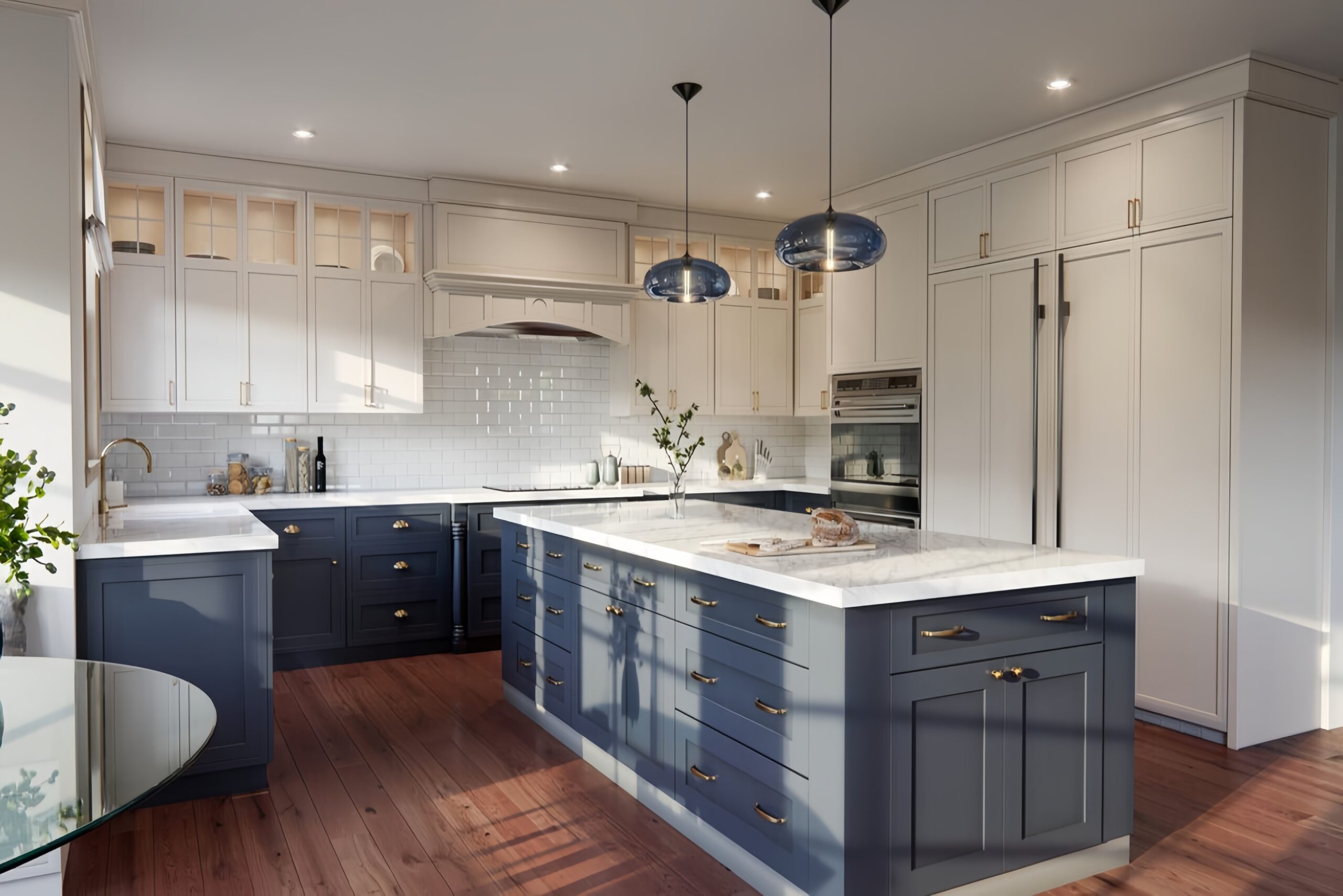
In many Dutch households, a kitchen renovation is one of the most substantial yet most valuable investments in the home. The kitchen is no longer just a practical space for cooking. More and more often it functions as the beating heart of the house, where people cook, eat, work, and gather with family and friends. Comfort, appearance, and convenience play an increasingly important role.
The range of available materials, styles, and technological solutions has grown significantly in recent years. Think of energy-efficient appliances, smart kitchen solutions, and durable materials with a long lifespan. At the same time, labour and material costs have risen, meaning a kitchen renovation is now more often approached as a well-considered investment that adds value to the home.
This guide provides a clear overview of what a kitchen renovation really involves today. You’ll gain insight into current price ranges, common choices and trends, and practical considerations. We also show how to find a realistic balance between aesthetics, functionality, sustainability, and budget, ensuring your kitchen is not only beautiful but also future-proof.
Average Costs of a Kitchen Renovation
The cost of a kitchen renovation in the Netherlands depends strongly on the scope of the project, material choices, the type of appliances, and whether the layout or installations need to be adjusted. If the existing layout remains and mainly fronts and appliances are replaced, costs remain relatively limited. If you opt for a completely new layout including relocating pipes, electrics, and ventilation, the price increases quickly due to extra labour and technical work.
Due to rising material and labour costs, the average investments in early 2026 are higher than a few years ago. The ranges below provide a realistic picture of total costs per segment:
| Type of renovation | Average price |
| Budget kitchen renovation (basic appliances, standard materials) | €9.000 – €14.000 |
| Mid-range renovation (mix of standard and high-quality materials) | €14.000 – €24.000 |
| Luxury kitchen renovation (customization, high-end appliances) | €24.000 – €45.000+ |
A budget renovation often consists of standard cabinets, a simple laminate countertop, and basic appliances. A mid-range renovation offers more finishing options, better layout solutions, and usually more energy-efficient appliances. Luxury renovations involve full customisation, premium materials such as ceramic or natural stone, handle-less systems, integrated lighting, and the latest technology appliances.
Kitchen Cabinets and Fronts
Cabinets form the backbone of every kitchen, determining both appearance and usability. In early 2026, the main trends continue clearly: sleek lines, handle-less systems, and combinations of closed cabinets with open niches for a lighter, more spacious feel. Matte finishes in warm neutral tones remain popular, while wood veneer and visible wood grain add a natural premium appearance. Integrated LED lighting in and under cabinets is increasingly common.
Updated price indication per linear meter (2026)
| Type of cabinets/fronts | Price per linear meter |
| Standard melamine cabinets | €225 – €450 |
| HPL (High Pressure Laminate) | €325 – €650 |
| Veneer wood | €450 – €900 |
| Lacquered MDF | €600 – €1.050 |
| Solid wood | €750 – €1.400 |
Those prioritising sustainability increasingly choose cabinets made from recycled wood, biobased panels, or FSC-certified materials. Initial investment is slightly higher, but lifespan is longer and environmental impact lower.
Worktops and Surface Materials
The worktop is the most intensively used part of the kitchen. In early 2026, composite and ceramic remain the most popular choices. Composite is valued for its scratch resistance and wide design options, while ceramic is loved for heat resistance, low porosity, and luxurious appearance. Solid wood remains popular for its warmth but requires more maintenance.
Updated price ranges (2026)
| Worktop material | Price per m² |
| Laminate | €175 – €380 |
| Solid wood | €320 – €690 |
| Composite | €650 – €1.650 |
| Granite | €780 – €1.950 |
| Ceramic | €980 – €2.250 |
| Stainless steel | €700 – €1.650 |
New developments include resin countertops, recycled glass, and biocomposites — durable, modern, and environmentally conscious options.
Kitchen walls
Walls influence both aesthetics and maintenance convenience. Most households choose washable, water-resistant paint for general wall surfaces, while behind work areas, extra protective materials are used.
Price indication per m²
| Wall/panel type | Price per m² |
| Water-resistant painted wall | €30 – €60 |
| HPL / plastic panel (standard wall) | €35 – €85 |
| Concrete look / microcement (standard wall) | €85 – €140 |
| Stone strips / natural stone (standard wall) | €95 – €210 |
| Splashback panels | €40 – €95 |
| Ceramic tiles (behind worktop) | €65 – €180 |
| Glass/mirror (behind worktop) | €70 – €150 |
| Biocomposite / recycled material (behind worktop) | €95 – €230 |
Flooring
Kitchen floors must be durable, moisture-resistant, and visually appealing — especially in open-plan layouts.
| Flooring material | Price per m² |
| PVC | €45 – €90 |
| Ceramic tiles | €55 – €130 |
| Solid wood / parquet | €70 – €170 |
| Laminate | €35 – €80 |
| Cast floor | €90 – €170 |
Ceiling and Lighting
A well-finished ceiling and thoughtful lighting plan elevate the kitchen both visually and practically.
| Ceiling type | Price per m² |
| Smooth plastered | €30 – €55 |
| Stretch ceiling | €70 – €105 |
| Wooden beams | €90 – €170 |
LED, dimmable spots, integrated lighting, and statement hanging lamps remain key trends.
Kitchen appliances
Appliances form a major cost component. In 2026, efficiency, durability, and smart features are leading trends.
| Appliance | Price range |
| Induction hob | €500 – €2.300 |
| Standard oven | €450 – €1.400 |
| Combi oven / steam oven | €900 – €3.500 |
| Extractor hood | €175 – €1.200 |
| Dishwasher | €450 – €1.700 |
| Refrigerator / freezer | €600 – €2.800 |
Energy-efficient models cost more initially but save significantly over time.
Furniture, Kitchen Island, and Decor
| Element | Price range |
| Dining table + chairs | €600 – €5.500+ |
| Kitchen island | €2.500 – €11.000 |
| Open shelves | €250 – €900 |
Labor Costs and Installation
Labour is often underestimated but represents a significant part of the budget.
| Professional | Hourly rate |
| Kitchen installer | €40 – €70 |
| Electrician | €50 – €80 |
| Plumber | €50 – €75 |
| Tiler | €40 – €70 |
| Plasterer | €30 – €55 |
If you are handy yourself, you can in some cases save money by taking on some of the preparatory work, such as dismantling the old kitchen, removing old tiling or disposing of debris. This reduces the number of hours professionals need to be on site.
However, always keep in mind that work involving gas, electricity and water must only be carried out by a certified professional. This is essential for safety, insurance coverage and compliance with building regulations. Professional installation prevents malfunctions, leaks and risks of fire or short circuits, and ensures that your new kitchen is not only beautiful, but also safe and technically sound.
Sustainability and insulation: Trends in 2026
In 2026, sustainability is a fundamental principle in kitchen renovations. It is no longer just a marketing term, but a key criterion that homeowners, designers and installers consider in every design decision. Not only the appearance or price matters, but also the origin of materials, CO₂ impact, energy performance of appliances, repairability and the possibility of replacing parts instead of renewing entire kitchens. Circular construction and modular kitchen design are increasingly becoming the norm in 2026.
Sustainable materials
In 2026, the range of sustainable materials is clearly expanding. Kitchen cabinets made from recycled wood, bamboo or reused plastic panels are increasingly being used in both mid-range and premium segments. Bamboo remains popular due to its fast regrowth and high mechanical strength. Worktops made of recycled glass, biocomposite and ceramic combine design with durability and minimal maintenance requirements. High-efficiency appliances with label A or higher are becoming more standard in 2026, partly due to stricter European regulations and rising energy prices. As a result, sustainable choices pay off financially more quickly, as energy and maintenance costs noticeably decrease over the years.
Insulation
Insulation plays an even greater role in 2026, especially because homes are increasingly being built or renovated to be highly airtight. Kitchens are often part of open living spaces, and good thermal insulation of the floor, ceiling and exterior walls prevents heat loss and drafts. Floor insulation combined with low-temperature underfloor heating is a commonly used solution because it works efficiently and increases comfort. Triple glazing is more frequently used in renovations, not only for energy performance but also to reduce condensation and noise.
Ventilation with heat recovery
In 2026, the use of ventilation systems with heat recovery continues to grow. In well-insulated kitchens, controlled ventilation is essential to remove moisture, cooking fumes and odors without losing energy. HRV systems ensure a constant supply of fresh air while retaining most of the heat from the extracted air. This contributes to a healthier indoor climate, less mold formation and lower energy costs. Increasingly, kitchen ventilation is being integrated into a central home ventilation system.
Materials and style
The style trends in 2026 focus on calm, timeless designs that last. Natural textures, soft matte surfaces and tactile materials such as wood veneer and micro-textured lacquers dominate. Trends are becoming less fleeting; users consciously choose materials that still feel contemporary after many years. Combinations of warm wood tones with dark, stone-like worktops remain popular, as do minimalist handleless fronts.
Trends in color and finish
Matte finishes remain the most in demand in 2026. Dark colors such as deep black, forest green and dark brown are combined with earthy tones and soft neutrals. The Scandinavian palette with light wood and white remains popular in smaller spaces because it enhances light and the sense of space. Metal accents in black, brushed nickel or brass are applied more subtly in taps, lighting and handles. High gloss finishes are less dominant than before, but are used deliberately as accent surfaces or splashbacks to create contrast and depth.
Cabinet body and fronts
In 2026, attention increasingly shifts to the origin and certification of wood. FSC- and PEFC-certified panels and veneers are more frequently requested and offered by manufacturers. MDF with durable lacquer structures and HPL remain popular due to their ease of use and moisture resistance. Solid wood is mainly chosen for custom kitchens and country-style interiors, while veneer and HPL offer a more sustainable and budget-friendly alternative with a similar look.
Worktops
Ceramic remains the market leader for worktops in 2026 thanks to its heat resistance, scratch resistance and hygiene. Technically improved composite materials are more resistant to discoloration and acids, making them a realistic alternative to natural stone. Natural stone is still used in luxury projects, especially marble and quartzite looks with pronounced veining. Biocomposite and recycled glass continue to gain ground in sustainable and circular construction projects. Contrasting color combinations – dark worktop with light cabinets or vice versa – remain visually appealing and emphasize the architectural lines of the kitchen.
Flooring and wall finishes
In 2026, the preference shifts toward low-maintenance floors with high durability. PVC, ceramic tiles and poured floors dominate due to their compatibility with underfloor heating and moisture resistance. Microcement floors are becoming more popular in modern kitchens due to their seamless appearance. For walls, hygienic, seamless materials such as glass, ceramic panels and HPL are increasingly used. Splashbacks are installed higher to make cleaning easier and reduce staining. Open niches, integrated lighting and decorative wood add warmth without sacrificing functionality.
Accessories and details
Accessories play an even bigger role in kitchen design in 2026. They determine not only the appearance but also daily convenience. Taps in black steel, brushed nickel or warm brass remain popular and are increasingly combined with handleless fronts and integrated lighting. Kitchen islands are more often equipped with comfortable designer stools, while smart drawer layouts, pull-out baskets and hidden storage systems ensure an organized and ergonomic kitchen. Technological accessories continue to develop: hands-free taps, induction hobs with integrated extraction and smart appliances controlled via apps become more widely accessible and no longer belong exclusively to the luxury segment in 2026.
The combination of classic materials with modern, sustainable solutions ensures that kitchens not only look attractive but are also ready for the future. They use less energy, are easier to maintain and can be adapted more easily when needs change. In 2026, kitchen design is less about choosing between luxury or functionality and more about creating a thoughtful balance between aesthetics, sustainability and everyday usability.
Practical money-saving tips for your kitchen renovation
A kitchen renovation can be a significant investment, especially when choosing high-quality materials and extensive modifications. In 2026, material costs and labor wages remain relatively high, but a beautiful, durable and functional kitchen does not have to consume your entire savings. With the right preparation and thoughtful choices, total costs can be significantly reduced.
Second-hand furniture and appliances
Buying used furniture and appliances through online marketplaces, thrift stores or specialized second-hand kitchen shops remains a very effective way to save. Complete kitchen sets, tables or chairs in excellent condition – sometimes even from premium brands – are available for a fraction of the new price. At the same time, you contribute to the circular economy and waste reduction.
Do it yourself where possible
Not all work needs to be done by professionals. Dismantling old cabinets, removing tiles, painting or installing simple shelves yourself can significantly reduce costs and increases your involvement in the project. However, work involving gas, electricity and water must always be carried out by certified professionals due to safety and regulations.
Combine expensive and affordable materials
A commonly used strategy in 2026 is combining premium materials in visible areas with more affordable alternatives in less noticeable parts. For example, choose a high-quality worktop or fronts, but use standard materials inside cabinets or on straight walls. This keeps the look luxurious while maintaining budget control.
Smart purchasing
It pays to actively compare prices. Discounts during seasonal sales, showroom models and promotions at kitchen retailers can significantly ease your budget. Appliances from the previous model year are often technically comparable but much cheaper, while energy efficiency is generally high across all ranges today.
Smart planning and coordination
A well-thought-out schedule prevents unnecessary delays and duplicated work. By appointing a main contractor or coordinator, tasks are better aligned and installers can work more efficiently, which leads directly to cost savings.
Use standard sizes where possible
Custom work remains more expensive due to production and installation time. By choosing standard dimensions from reputable kitchen manufacturers, you can save considerably, while using custom solutions only for eye-catching elements such as a kitchen island or special cabinet layout.
Consider renovating in phases
If your budget is limited, renovating in stages can be a sensible choice. Start by replacing the most outdated or damaged elements, then gradually work towards the desired final result. This spreads the costs without compromising the quality of the end result.
Realize your dream kitchen with Grand Renovation
A kitchen renovation in the Netherlands in 2026 is an investment that not only increases living comfort, but often also the market value of the home. Whether you prefer a sleek designer kitchen or a warm country-style kitchen, what matters most is a realistic budget, a smart design and conscious material choices. Sustainability plays an increasingly important role: energy-efficient appliances, circular materials and smart systems make your home more comfortable and future-proof.
Are you curious about the exact costs of your kitchen renovation or would you like personal advice about materials, layout or sustainable solutions? The Grand Renovation team is happy to guide you from the first design to completion. Contact us by phone or via our website and discover how we can turn your dream kitchen into reality.

