
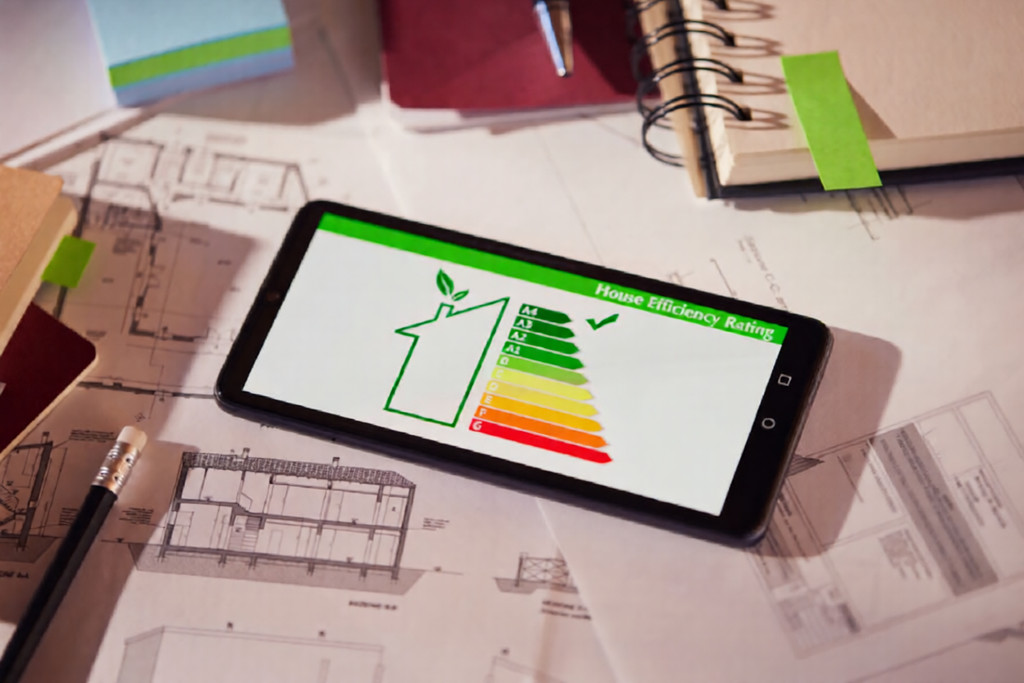
More and more homeowners are choosing to make their homes more sustainable. Not only because of rising energy prices, but also because a well-insulated home is more comfortable, requires less maintenance, and has a higher market value. In 2025, attractive schemes such as the ISDE subsidy 2025 again make sustainable renovations more accessible for both Dutch residents and expats.
Retaining Heat: Insulation as the Best Investment
Insulation remains the most effective way to reduce energy loss. Many older homes — especially houses from the 1930s, ’50s and ’60s — lose heat through walls, floors and roofs. Improving the building envelope provides immediate, noticeable results: lower energy bills and a more stable indoor climate.
Popular insulation options in 2025 include:
-
cavity wall insulation for quick improvement;
-
roof insulation with a high Rc-value;
-
floor insulation to prevent cold drafts.
Those who invest in insulation are almost always eligible for part of the ISDE subsidy 2025, provided the work is carried out by a certified contractor.
New Windows and Double Glazing: More Comfort, Less Noise
Many homes in the Netherlands still have single glazing or outdated double glazing. Upgrading to double glazing (HR++, triple or vacuum glass) not only makes a home more energy-efficient but also quieter. For city homes, this is a significant improvement: less moisture, fewer drafts, and much better living comfort.
Advantages of modern insulated glass:
-
better thermal insulation;
-
reduced noise from traffic and neighbours;
-
higher property value (WOZ-waarde);
-
preparation for a gas-free future.
Here too, the ISDE scheme often reimburses part of the costs, especially when the glass is combined with other insulation measures.
Underfloor Heating as a Modern Heating System
More and more homeowners are choosing underfloor heating installation as their main heating system. It operates at a low temperature, is energy-efficient, and feels more comfortable than traditional radiators.
Why underfloor heating is ideal for sustainability:
-
even heat distribution throughout the room;
-
lower energy consumption with low-temperature systems;
-
perfectly compatible with heat pumps;
-
no visible radiators, giving more interior space.
During a full renovation, the floor is often opened anyway — an ideal moment to install this system.
ISDE Subsidy 2025: How It Works and What You Can Get Back
The ISDE subsidy 2025 supports homeowners who invest in insulation, heat pumps, solar boilers, or glass replacement. The subsidy works as a partial reimbursement after the project is completed. The more measures you combine, the higher the refund per m² or per device.
A few requirements:
-
you must be an owner-occupier;
-
insulation must be carried out by a certified company;
-
the application must be submitted within 12 months after completion;
-
minimum insulation values must be met.
Costs of Sustainability Improvements in 2025
The total investment depends on the home and chosen measures, but average price ranges are:
-
insulation (cavity wall, floor or roof): €20–€60 per m²
-
HR++ or triple double glazing: €150–€300 per m²
-
underfloor heating installation: €60–€90 per m²
-
heat pump preparation: €1,500–€3,000
End Result: More Comfort, Lower Costs and Increased Home Value
An energy-efficient renovation is more than a technical upgrade — it is an investment in comfort and long-term value. A well-insulated home heats up faster, retains warmth longer, is quieter, and almost always increases in value. Combination projects (glass + insulation + underfloor heating) deliver the highest returns and the largest subsidy amounts.
Want to Make Your Home More Sustainable with Subsidy Benefits?
We guide the entire process — from advice to installation and subsidy application. Contact us for a tailored plan.

