
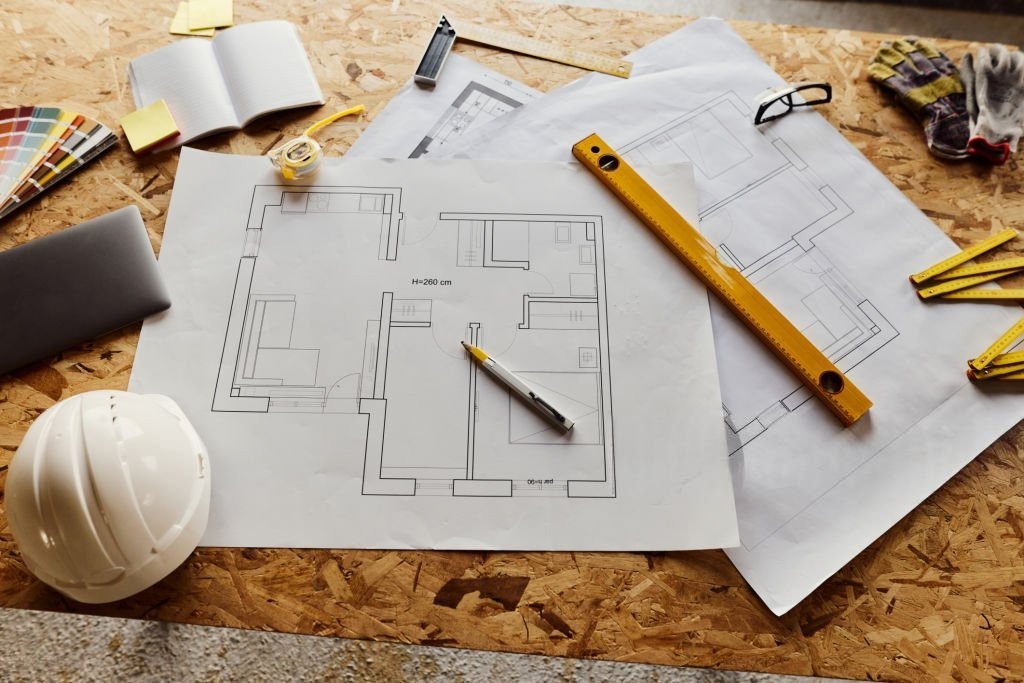
Removing a load-bearing wall is one of the most significant structural changes you can make in a home. Still, more and more homeowners choose this option to create an open kitchen and make the living room feel more spacious and bright. Because a load-bearing wall is an essential part of the building structure, such a renovation should never be done impulsively or “quickly.” In this article, we explain the applicable regulations, how a structural calculation works, and what you can expect in terms of load-bearing wall removal costs.
Why Remove a Load-Bearing Wall?
The most common reason is creating an open living space: the kitchen and living room become one large, bright area. This results in:
-
more natural light;
-
better sightlines toward the garden or dining area;
-
a more spacious feel without obstructing walls.
Creating an open kitchen not only adds comfort but often increases the attractiveness of the home for future resale.
Regulations and Permits
Because a load-bearing wall literally supports floors and the roof, its removal is classified as a structural alteration. In many cases, an omgevingsvergunning (building permit) is required, and the municipality will demand an official structural calculation by a certified structural engineer.
Without this approval, you risk:
-
construction stoppages or fines;
-
issues during property sale or valuation;
-
liability problems in case of structural damage.
Therefore, the first step is always to investigate whether the wall is actually load-bearing and which permits are required in your municipality.
The Role of the Structural Calculation
A structural calculation determines how the weight of the floors and roof will be safely supported once the wall is removed. The engineer will calculate:
-
which steel beam (HEA/HEB or I-profile) is required;
-
the beam’s dimensions and installation height;
-
how the loads are transferred to the foundation or columns;
-
any additional reinforcements needed.
This calculation forms the basis for both the permit application and the contractor’s execution. Without an accurate calculation, safe construction is impossible.
Load-Bearing Wall Removal Costs — What to Expect
The cost of removing a load-bearing wall depends on the wall’s length, accessibility, type of beam, and finishing. Typically, you can expect costs for:
-
structural calculation by an engineer;
-
supply and installation of the steel beam;
-
demolition work, rubble removal, and dust control;
-
restoration of ceilings, floors, and walls;
-
possible adjustments to pipes and electrical installations;
-
painting and final finishing.
For an average interior wall between the kitchen and living room, the total cost quickly adds up to several thousand euros. If you also install a new kitchen and fully refinish the space, the project budget increases — but the result is a completely transformed living area.
Safety and Professional Execution Above All
Removing a load-bearing wall yourself or “with a handy friend” is extremely dangerous. Incorrect temporary support, an undersized beam, or improper connections can lead to cracks, subsidence, or in the worst case, collapse. A professional team works with:
-
certified structural engineers and clear drawings;
-
proper temporary supports;
-
precise installation of steel beams;
-
strict compliance with building and safety regulations.
This ensures that your new open space is not only beautiful but also structurally safe.
Want to Create an Open Kitchen by Removing a Load-Bearing Wall?
Contact us — we analyse all structural changes in your home, provide the structural calculation, and guarantee a safe, professional execution of the entire project.

